Cakes without Milk

Cakes without milk are easier to make than most people think. Whether you’re out of milk, baking for dietary needs, or simply prefer dairy-free desserts, you can still create soft, moist, and delicious cakes using simple pantry ingredients.
Below you’ll learn exactly how to bake cakes without milk including substitutes, baking tips, troubleshooting, and all of my favourite recipes in one place!
What can I use instead of milk for cake?
If you don’t have milk on hand or you’re baking dairy-free, there are actually quite a few simple swaps that work really well in cakes. The main thing milk does is add moisture and a bit of richness, so you just need to replace that in a way that still keeps your cake soft and tender.
Some of the best options are pretty straightforward:
- Water – the easiest substitute and works surprisingly well in basic cakes
- Almond milk or oat milk – great neutral options that behave a lot like regular milk
- Coconut milk – a richer choice that adds a subtle flavour as well
- Fruit juice (like pineapple juice) – especially good in fruit-based cakes and adds a natural sweetness
The important thing isn’t just swapping milk for milk’s sake, but making sure your batter still has enough moisture and balance so the cake bakes up light and soft instead of dry.
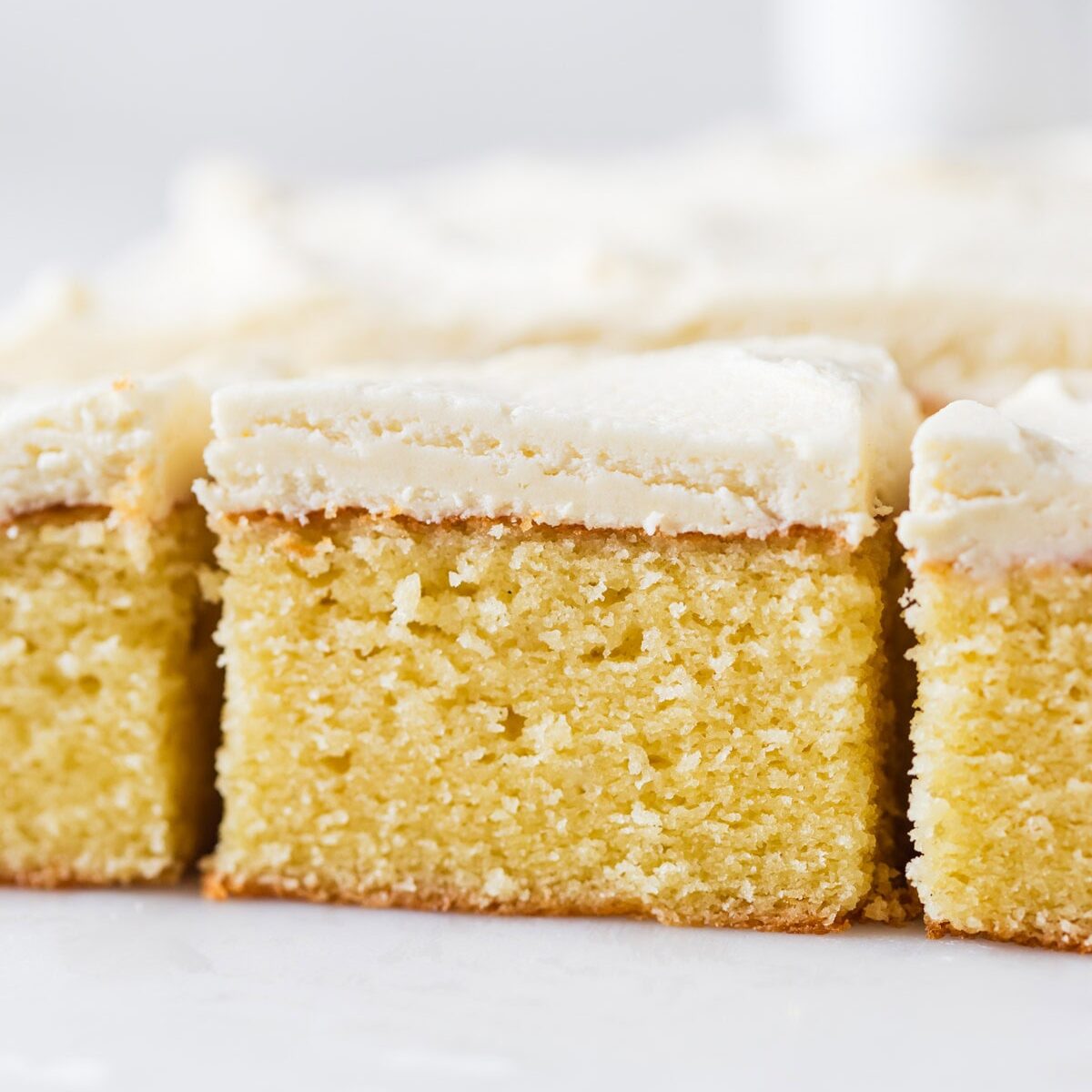
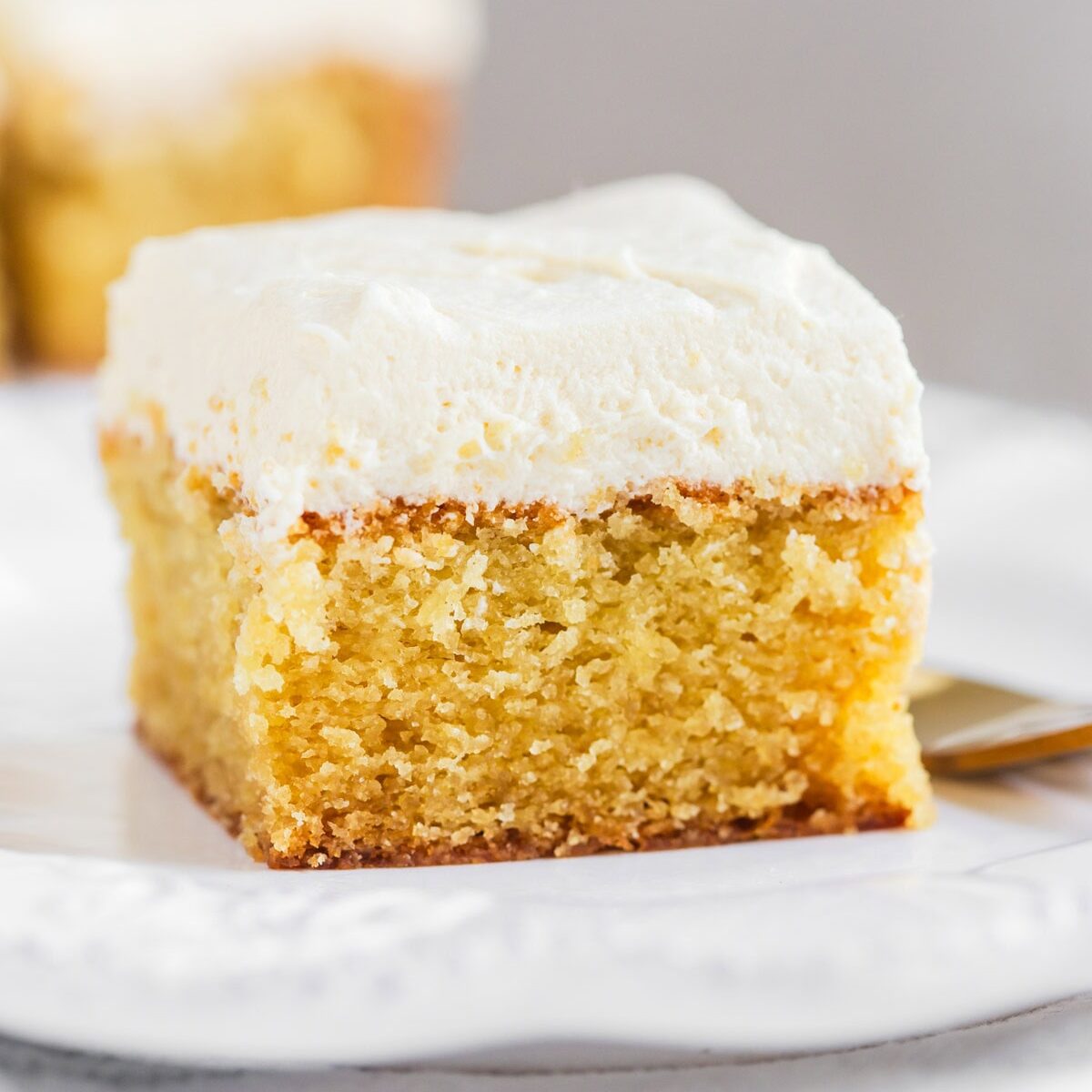
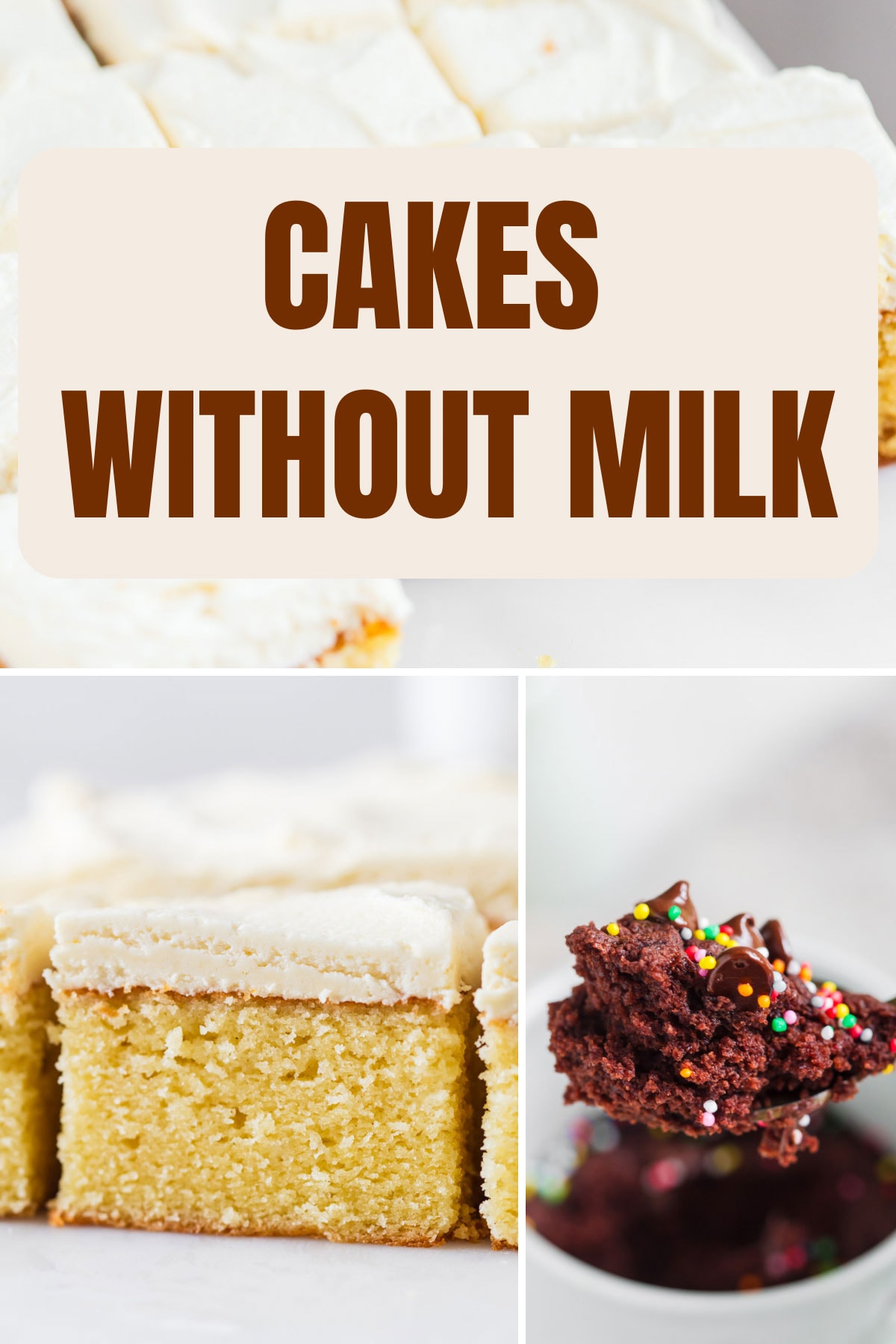
You’ll actually see me use these exact swaps across a lot of my cakes without milk recipes, including my vanilla cake without milk, so you can see how they work in real baking rather than just theory.
How to keep cakes moist without milk?
One of the biggest concerns with milk-free baking is dryness, but this is easy to avoid.
To keep cakes soft and moist without milk:
- don’t overmix the batter
- use oil for moisture (instead of only butter)
- don’t overbake (even 1–2 minutes matters)
- balance wet and dry ingredients properly
Milk mainly adds moisture — so when you remove it, you just need to replace that function.
What happens if you don’t add milk to cake?
If you leave milk out of a cake, the main thing you’ll notice is the texture. Milk usually adds moisture and a bit of richness, so without it, the cake can turn out slightly drier or less tender if nothing is replaced.
That said, it doesn’t mean the cake won’t work. As long as you swap the milk for another liquid, like water, plant-based milk, or even fruit juice, the structure of the cake will still come together just fine.
In fact, a lot of cakes without milk bake up just as soft and fluffy when the balance of wet and dry ingredients is right. It really comes down to making sure there’s enough moisture in the batter and not overbaking it.
Can I use water instead of milk for cake?
Yes, in many cake recipes, water can be used instead of milk.
The texture may be slightly less rich, but the cake will still bake properly if you:
- keep the fat (oil or butter) balanced
- don’t overmix the batter
- avoid overbaking
Water is one of the simplest substitutes when you’re out of milk.
Recipes
Cakes without milk don’t really behave badly, they just depend on how you replace the milk in the batter. Once you understand what milk is doing in a recipe, it becomes easy to work around.
When it’s removed, cakes might taste slightly less rich, but the moisture and softness can be maintained by using simple alternatives like water, plant-based milk, or fruit juice.
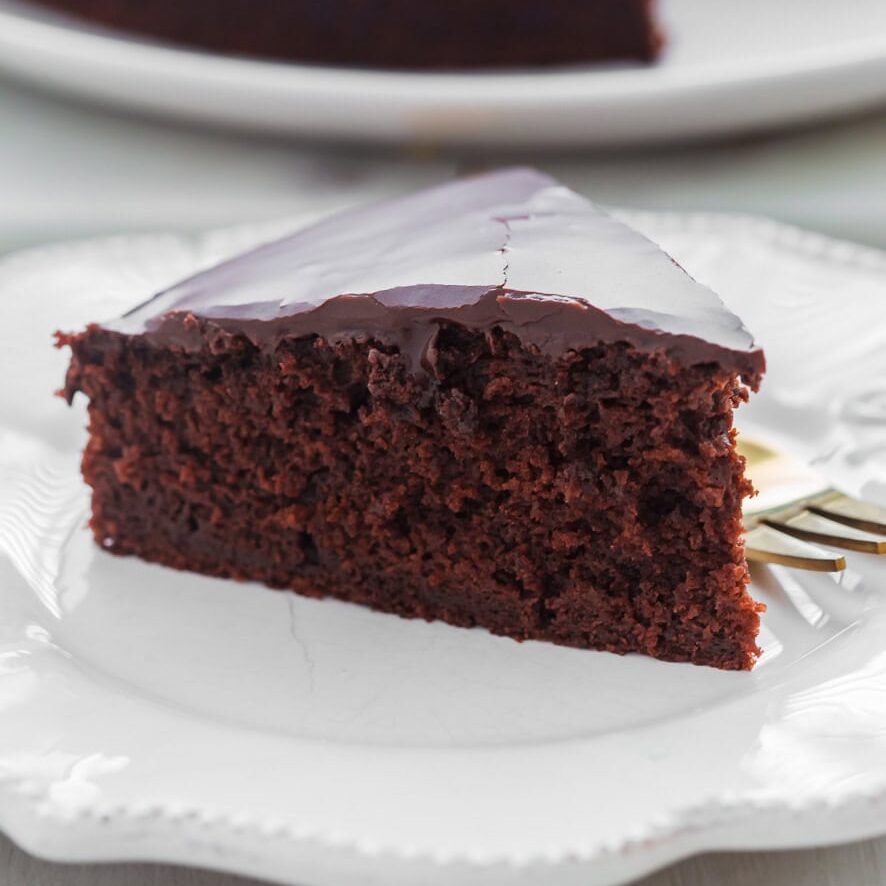
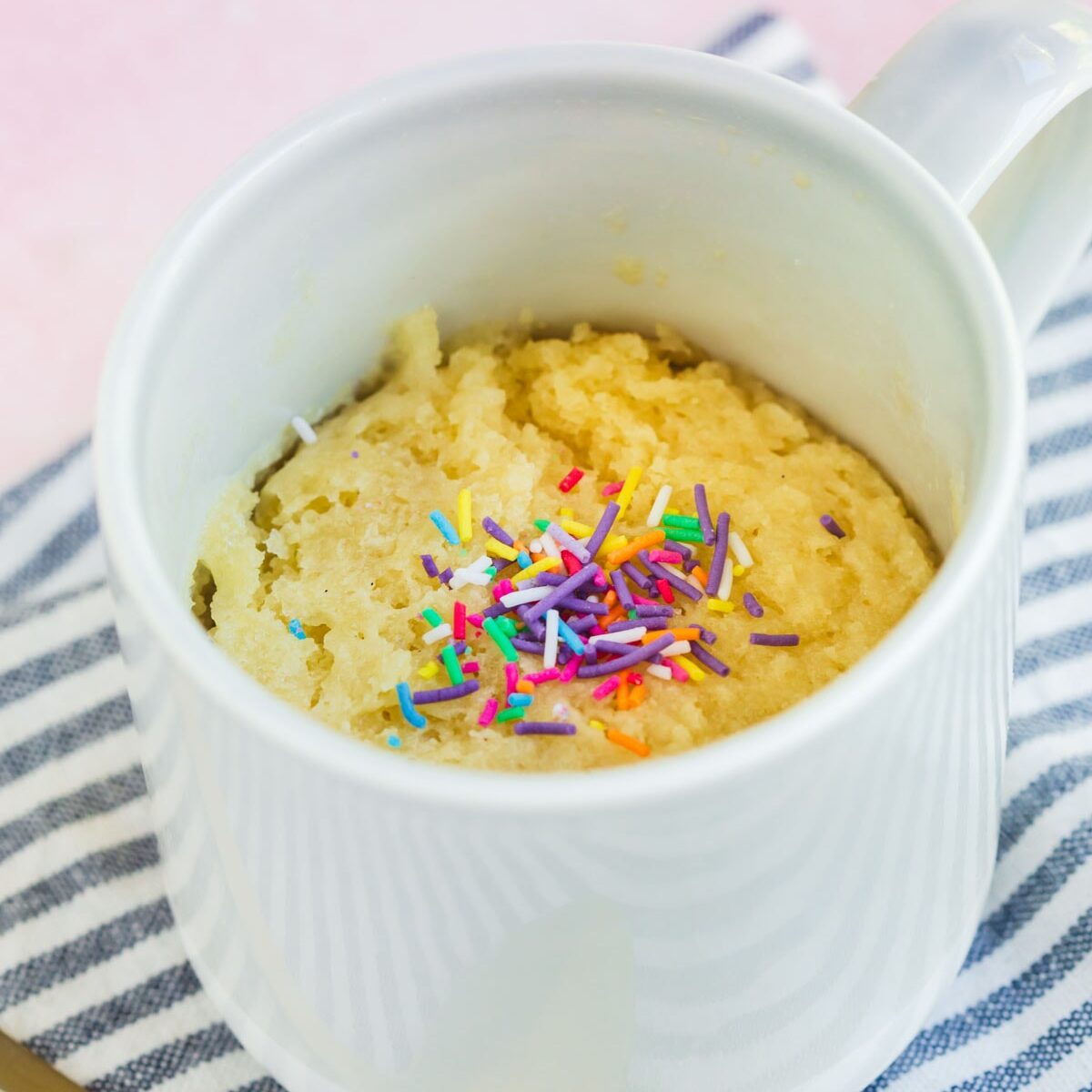
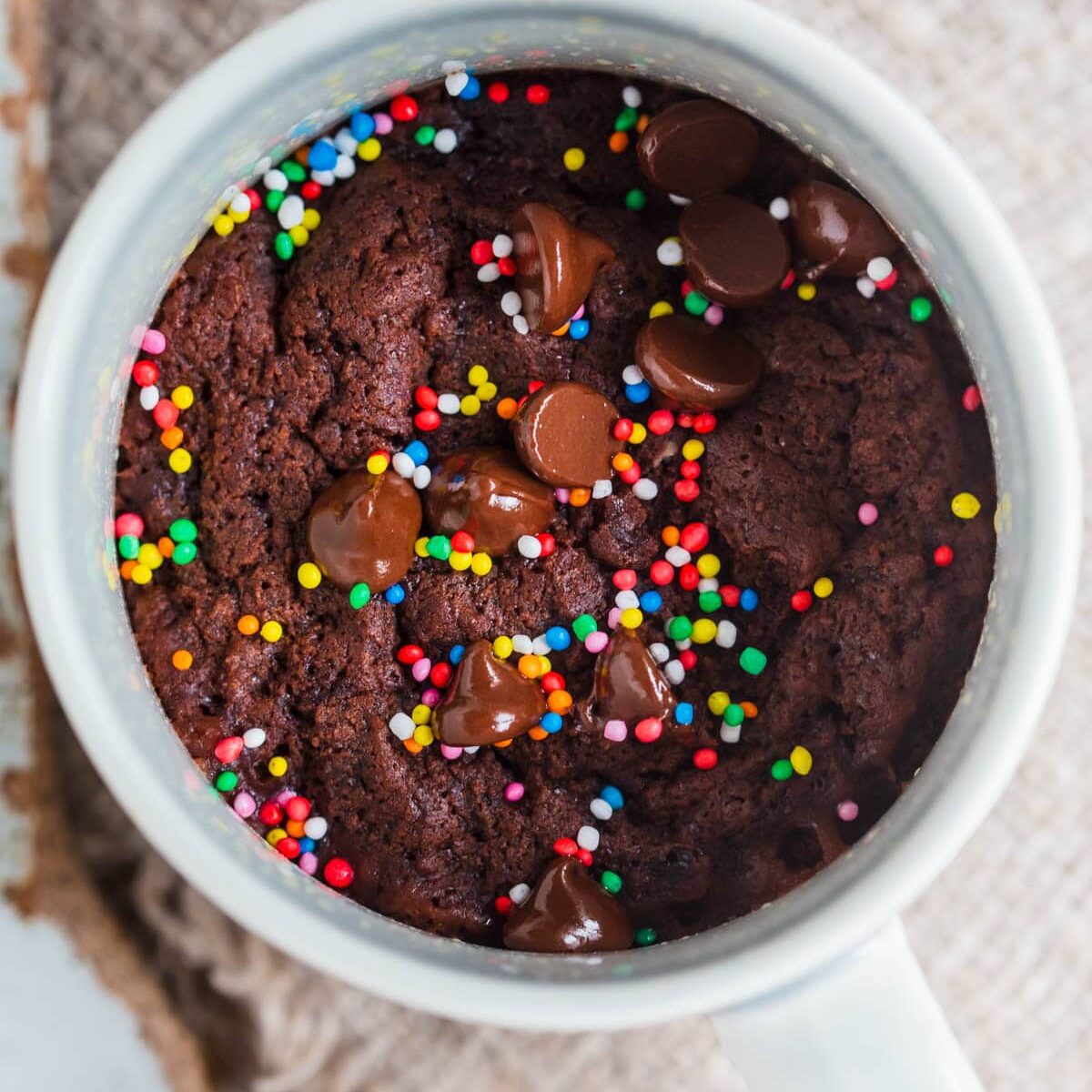
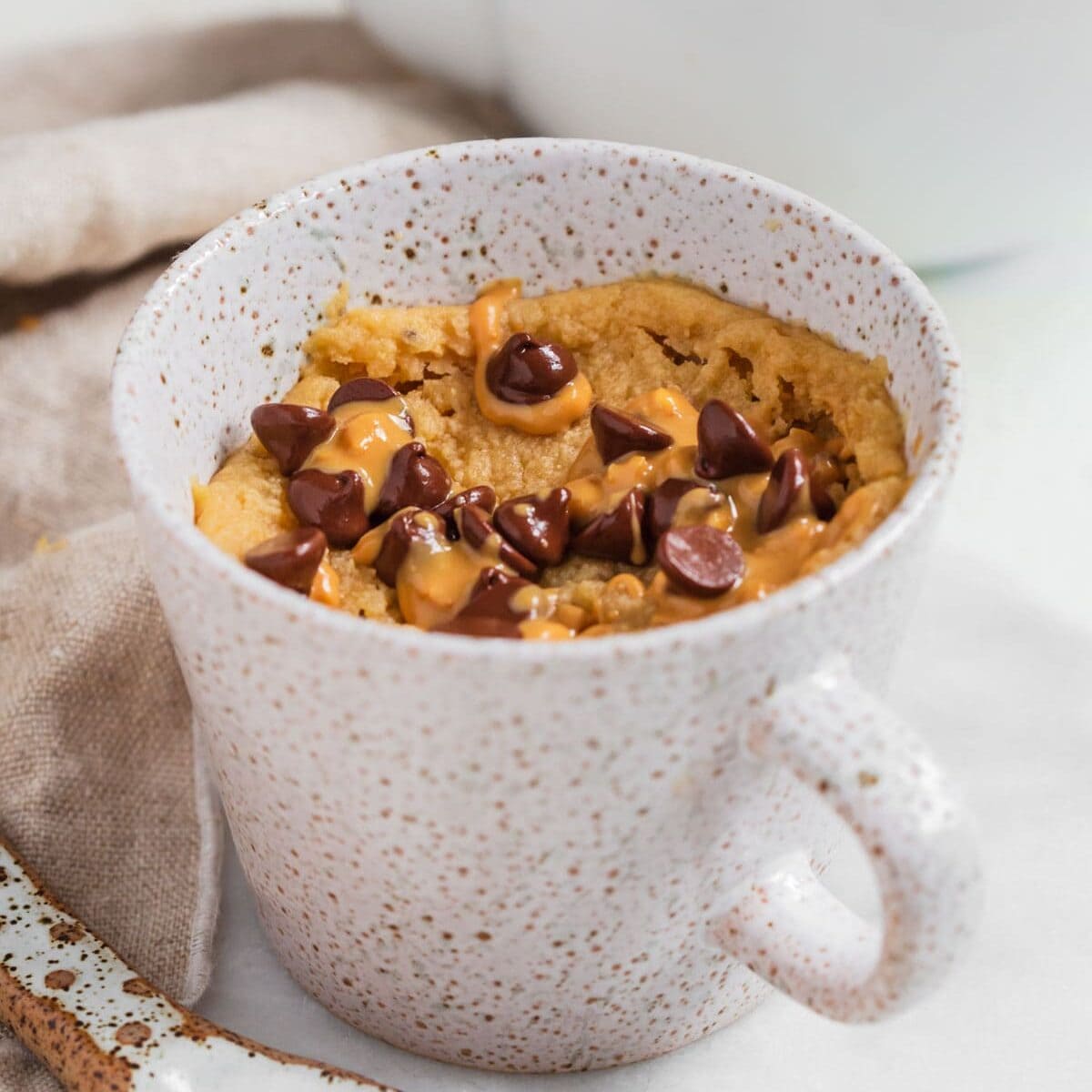
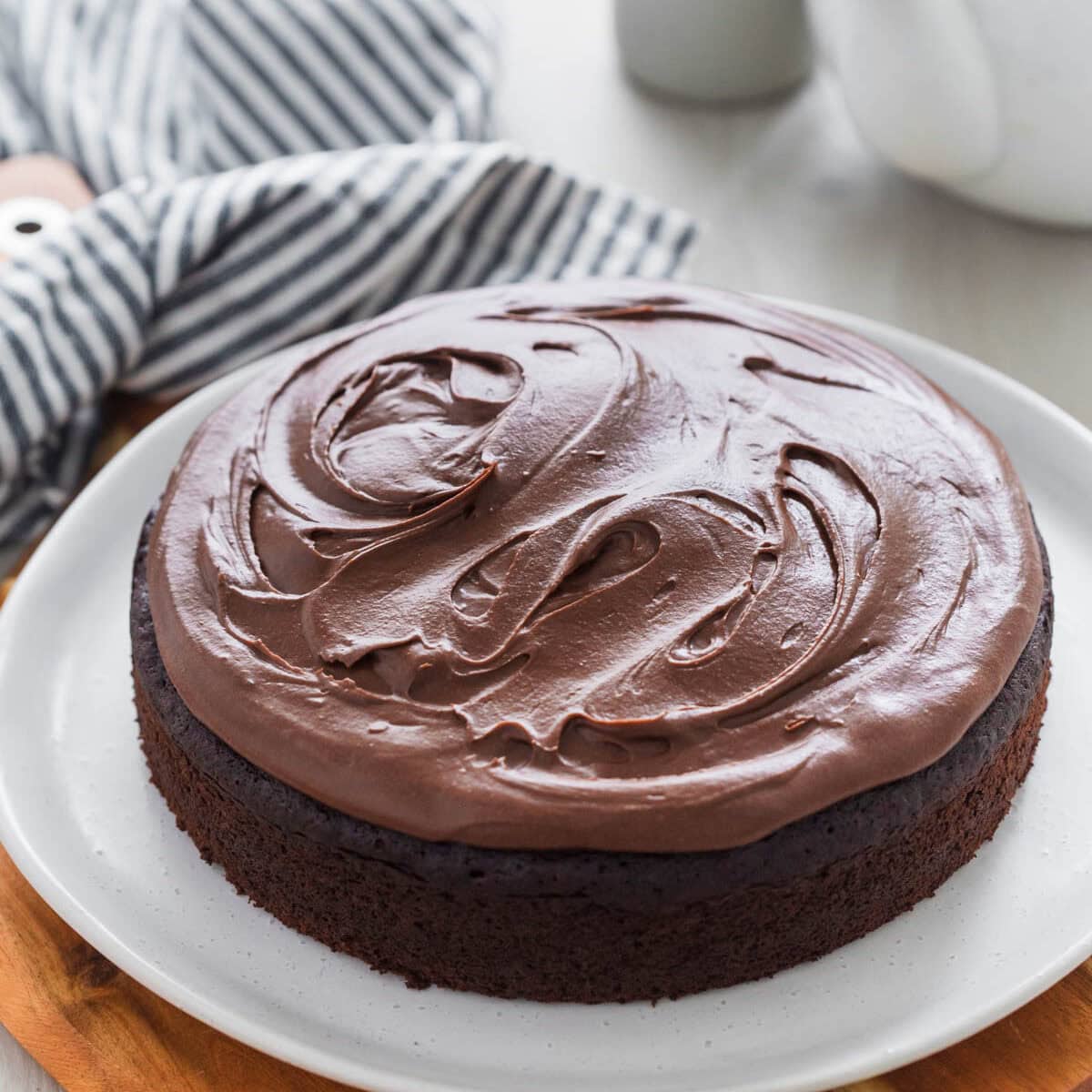
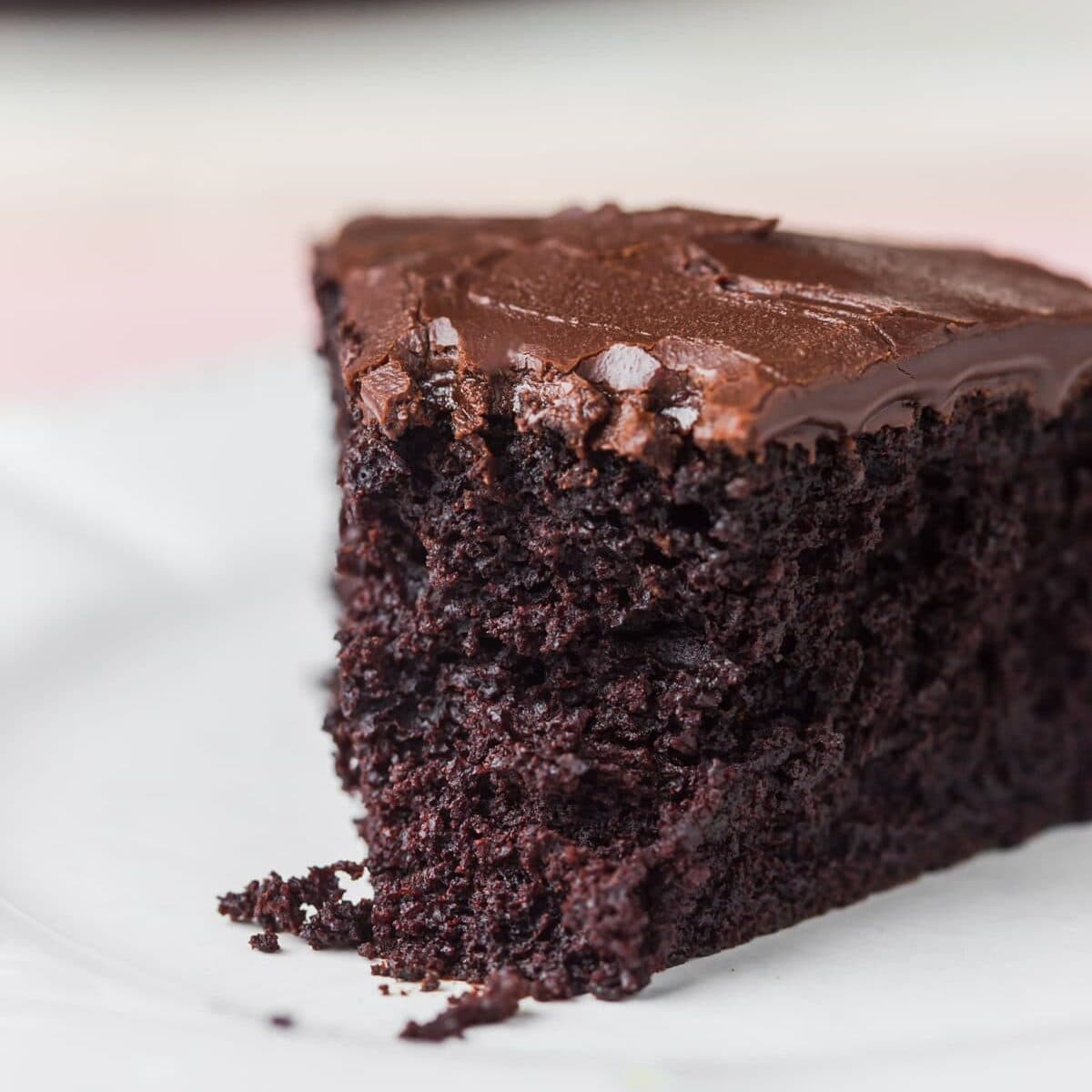
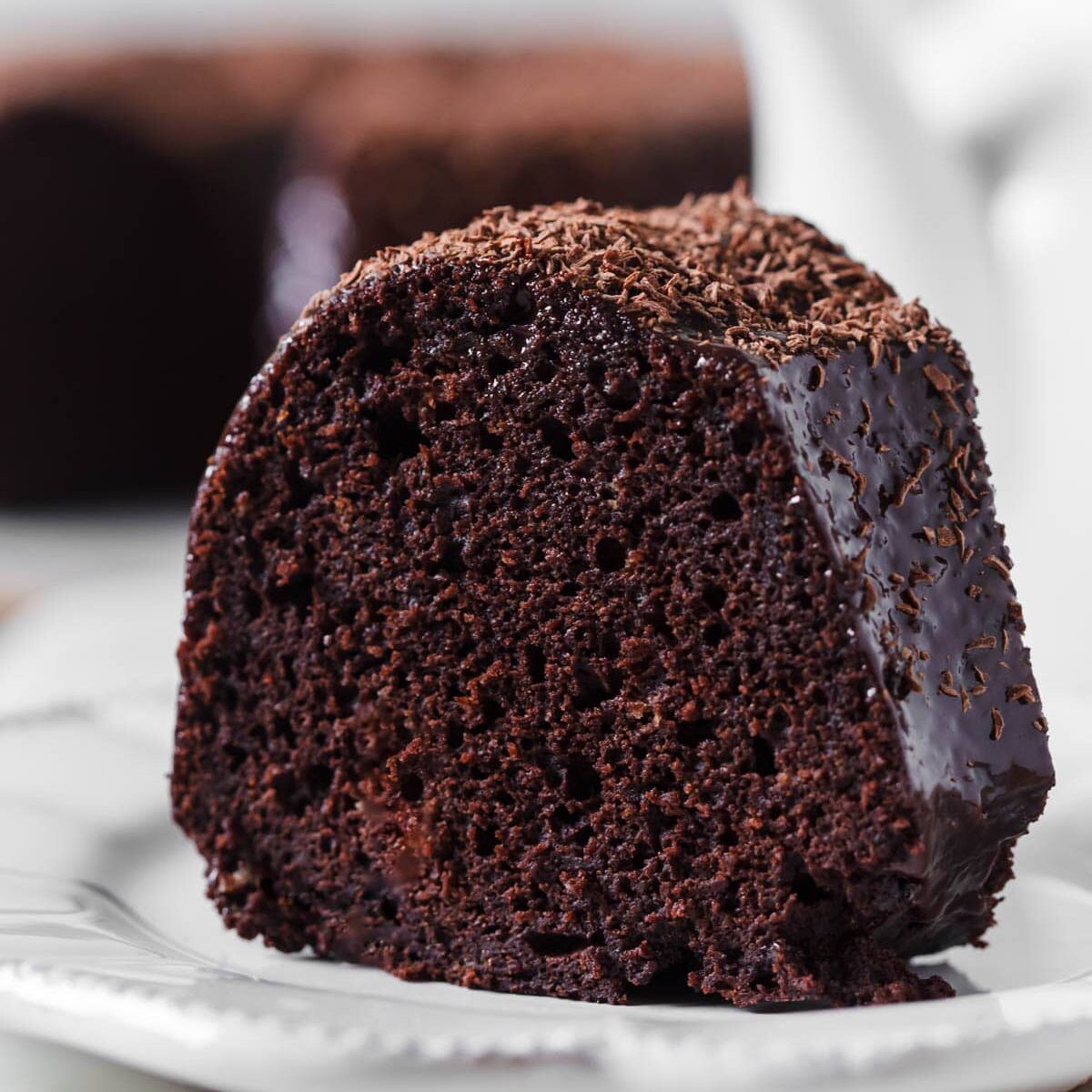
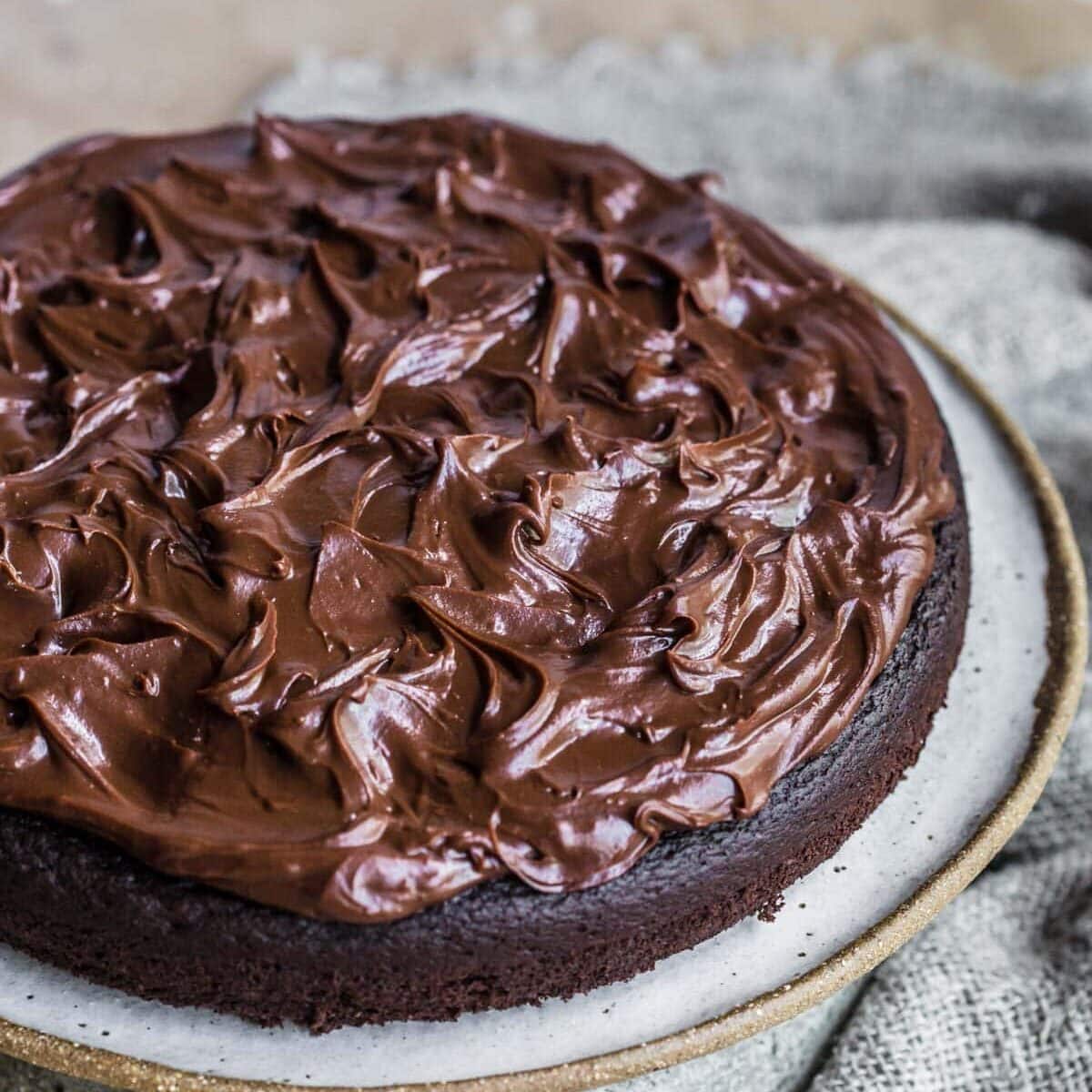
The type of cake also matters. Lighter cakes like vanilla tend to stay soft quite easily, while richer chocolate or mug cakes rely more on the right balance of liquids and fat to stay moist and tender.
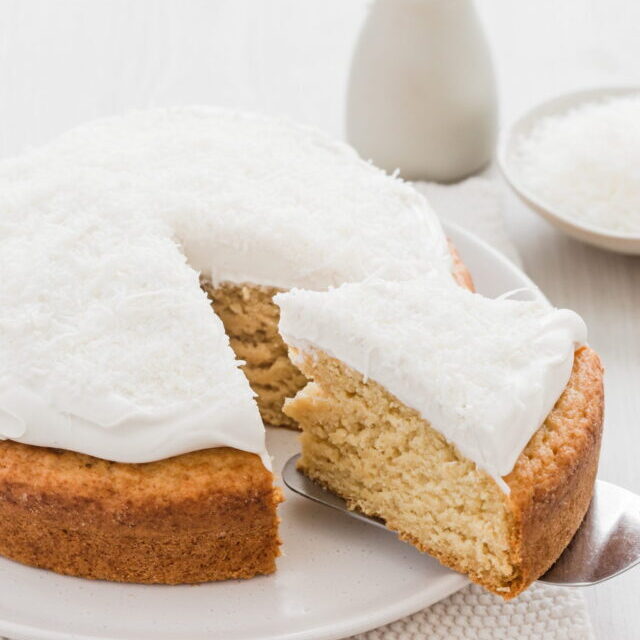
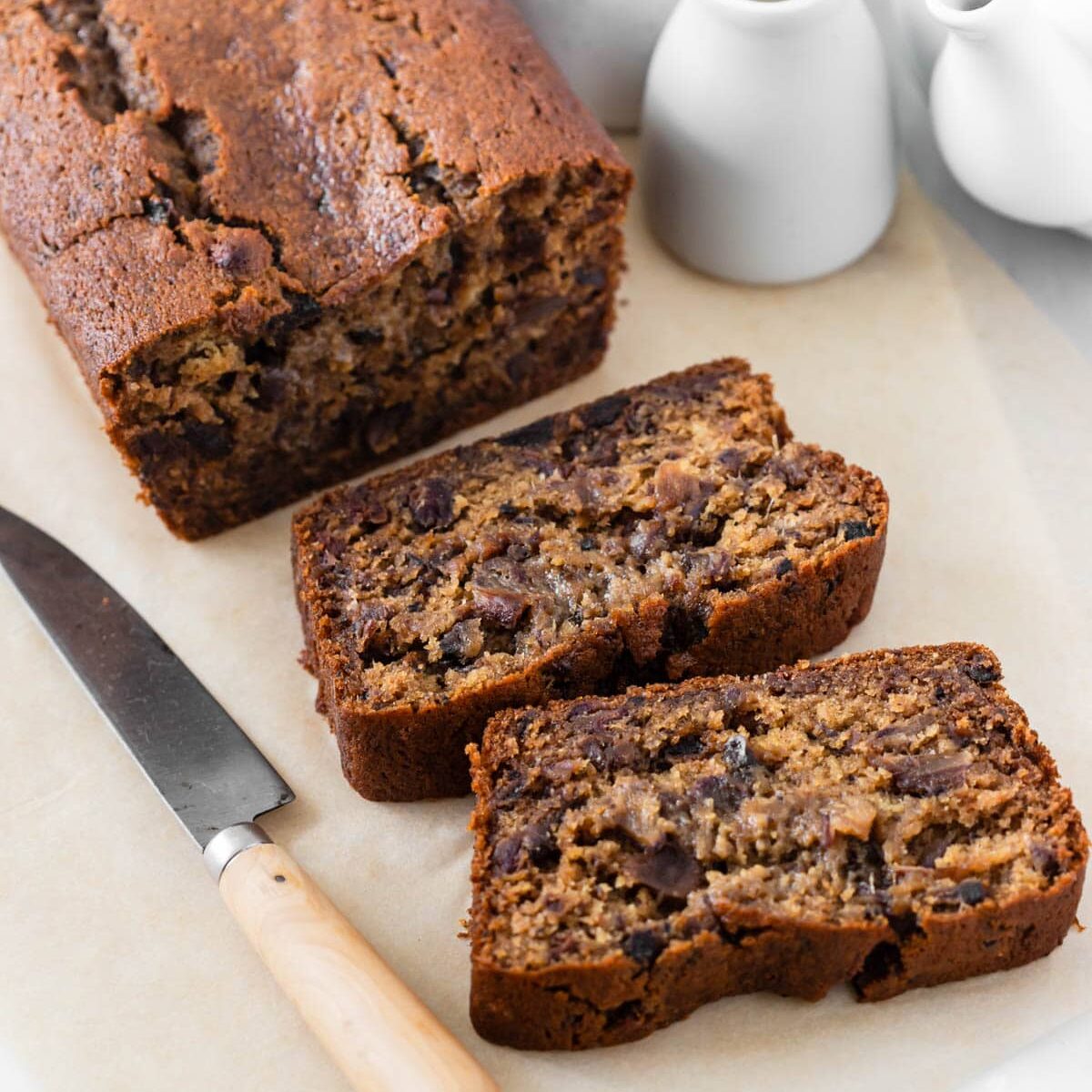
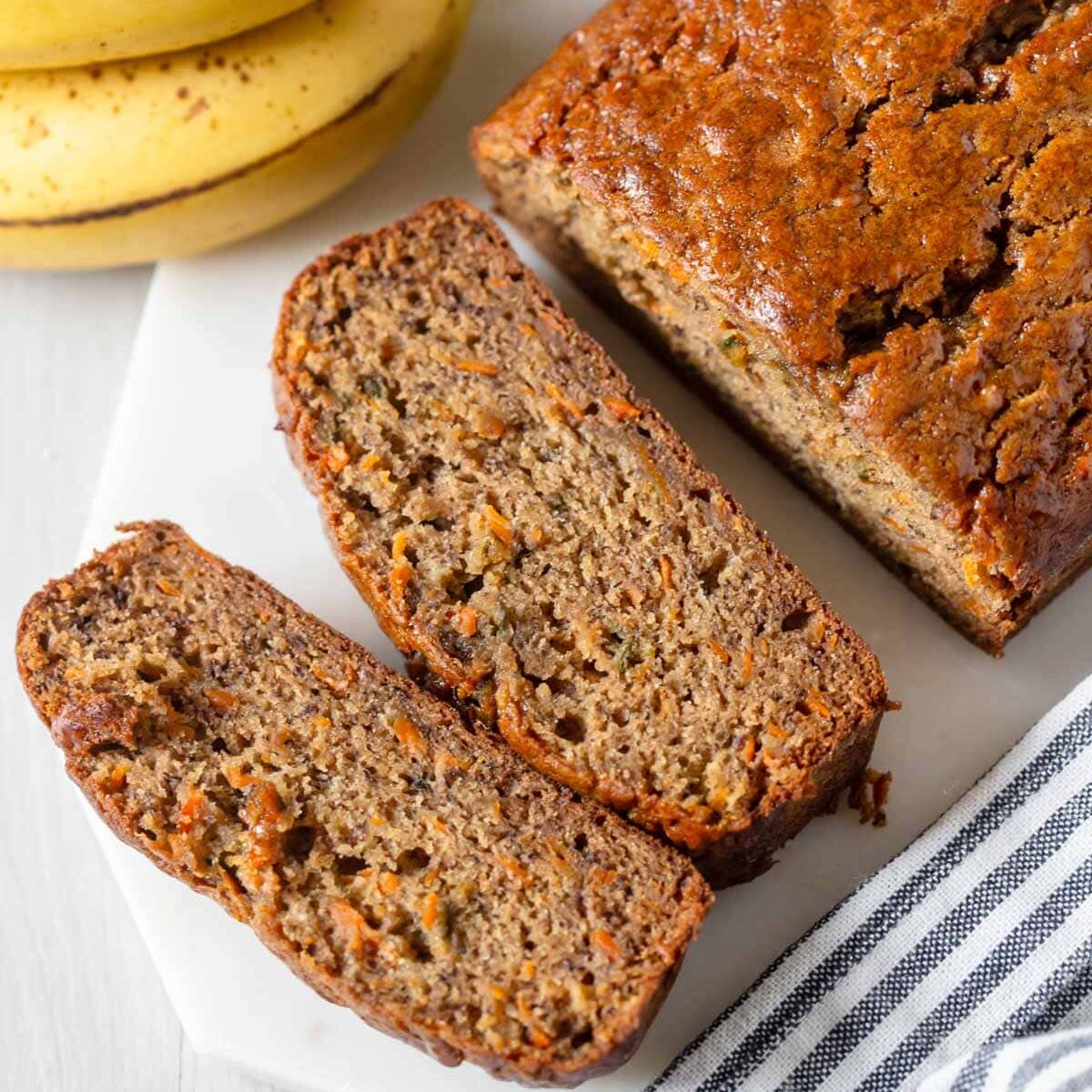
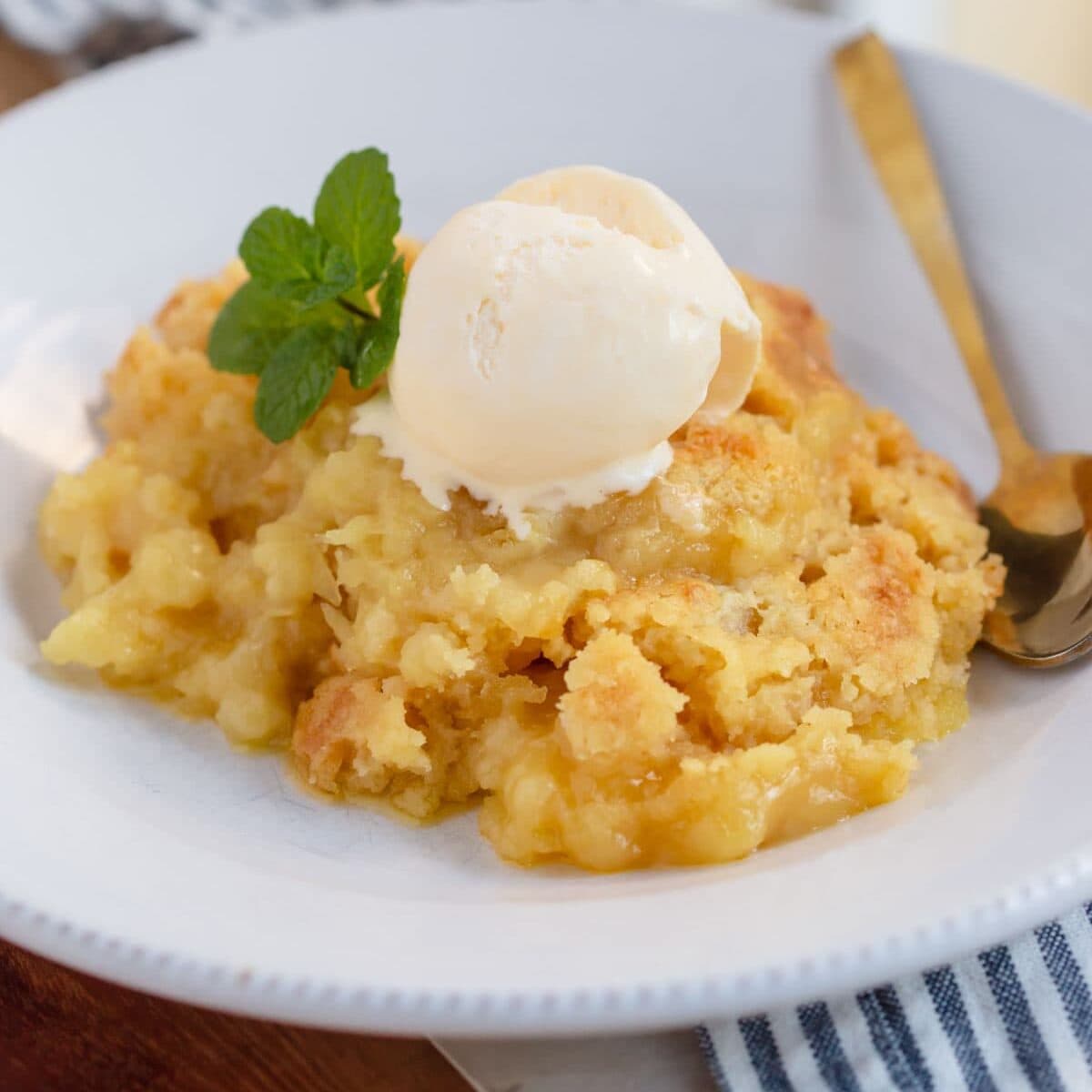
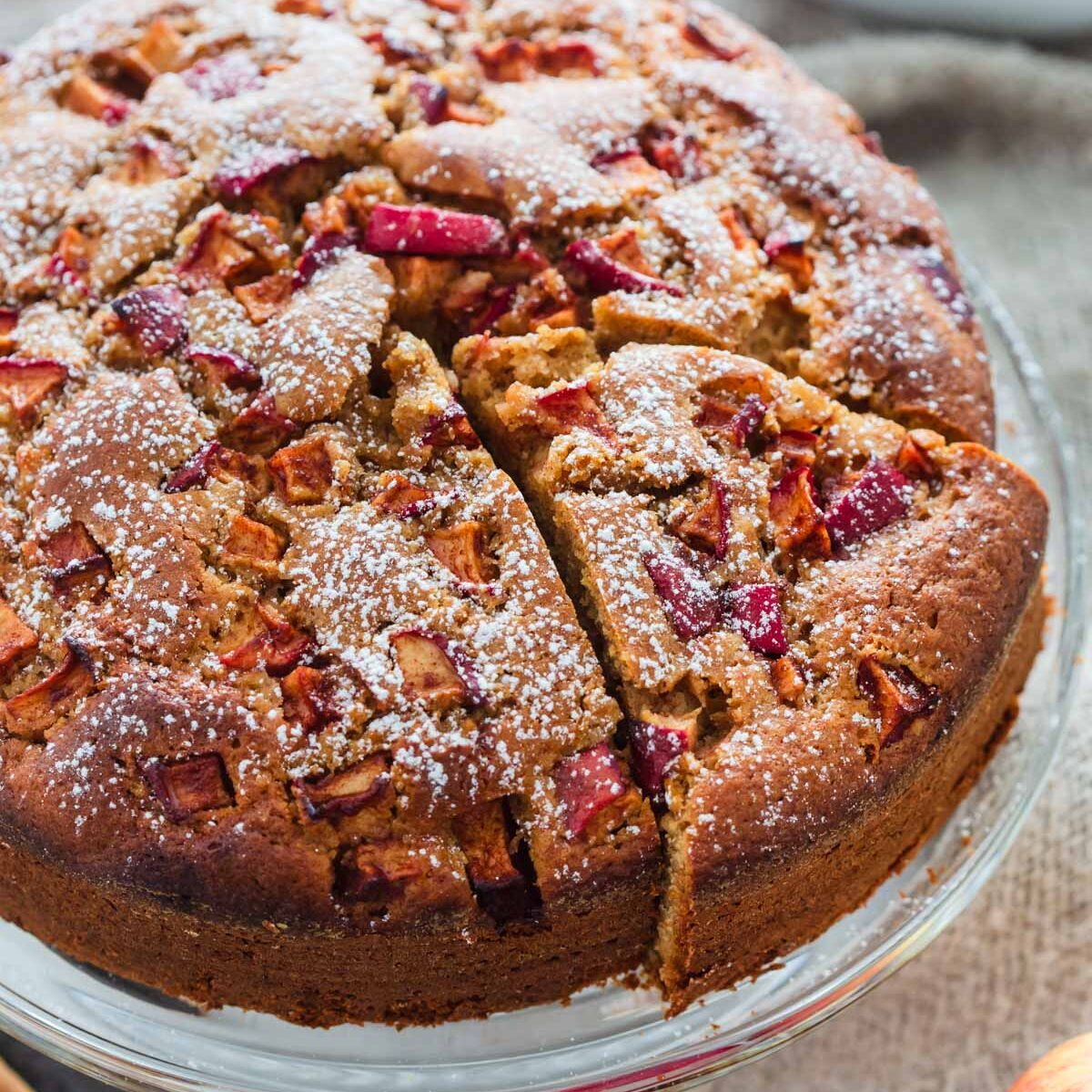
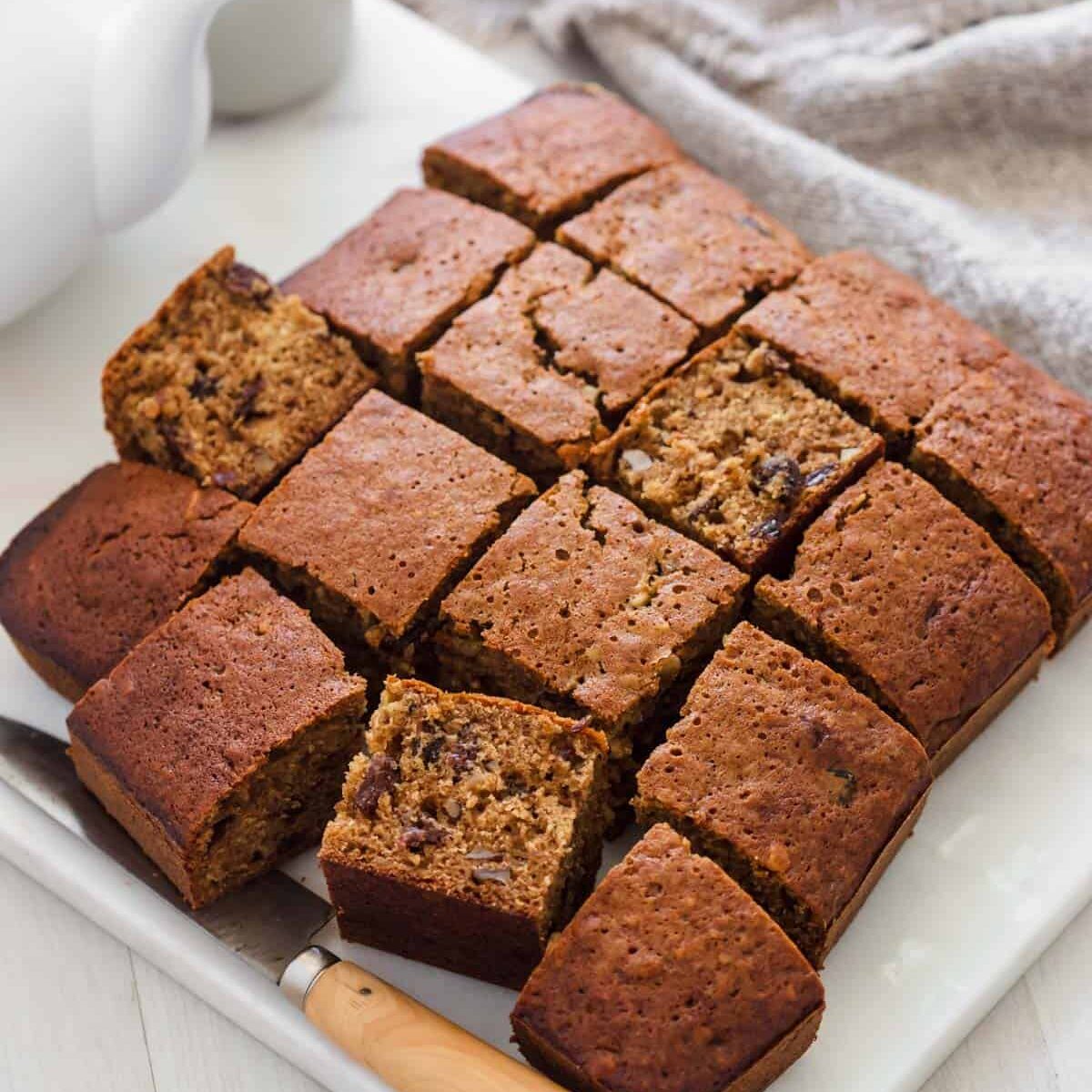
Here are all of my favourite tested cakes without milk so you can see exactly how these substitutions work in real baking.