
Vanilla Cake without Vanilla Extract

Sometimes you want to bake a vanilla cake… and realise you’re out of vanilla extract. Or maybe you’re baking for someone who prefers simpler flavours, or you just don’t want to rely on vanilla essence at all. This Vanilla Cake without Vanilla Extract Recipe is for those moments—and it proves that vanilla cake doesn’t need vanilla to be absolutely delicious.
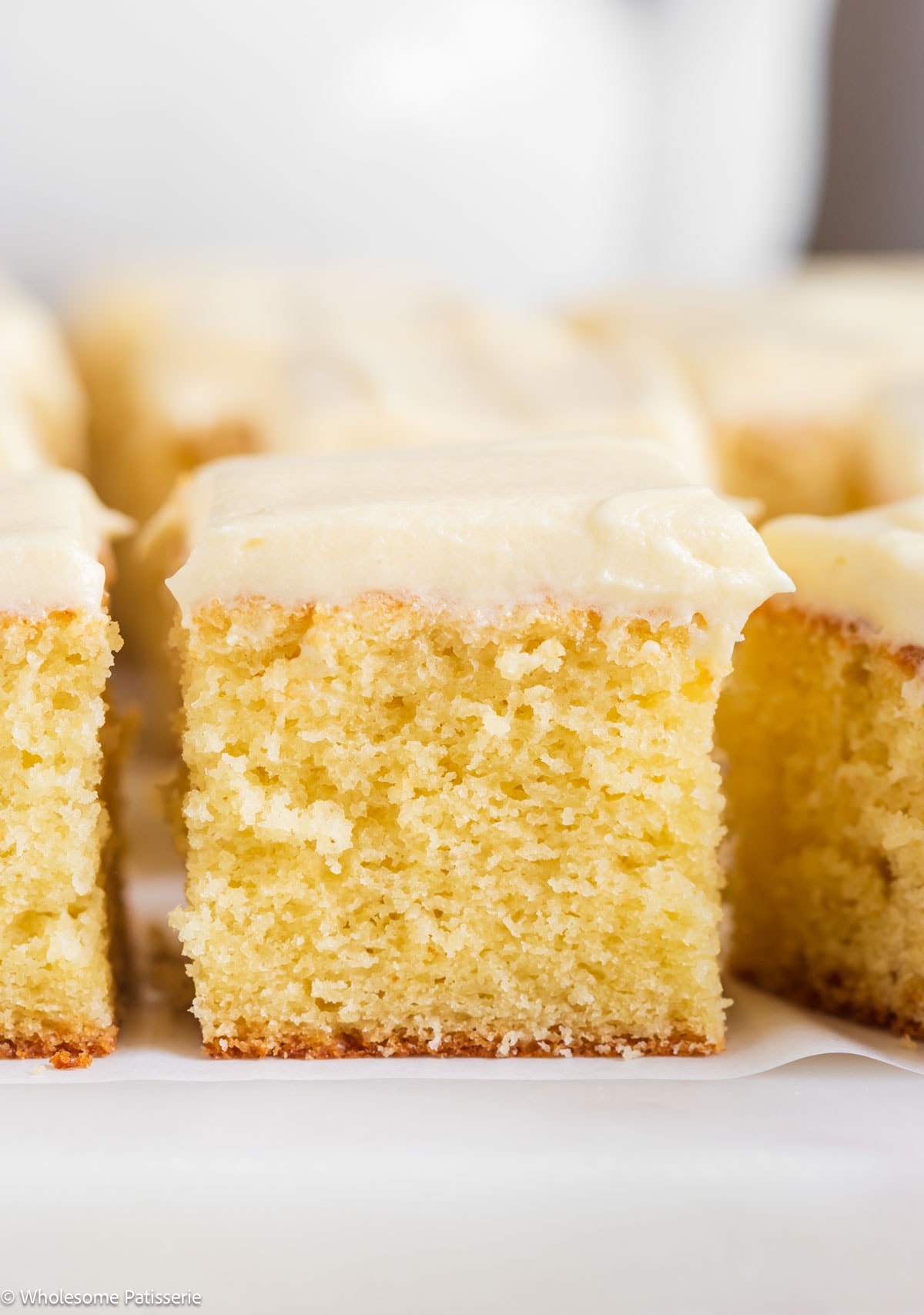
Soft, fluffy, and tender with a classic cake crumb, this recipe is intentionally developed to highlight the natural flavour of the cake itself. By slightly increasing the salt and pairing the cake with a tangy cream cheese frosting, the sweetness is balanced beautifully, allowing the butter, eggs, and milk to shine without being masked by vanilla.
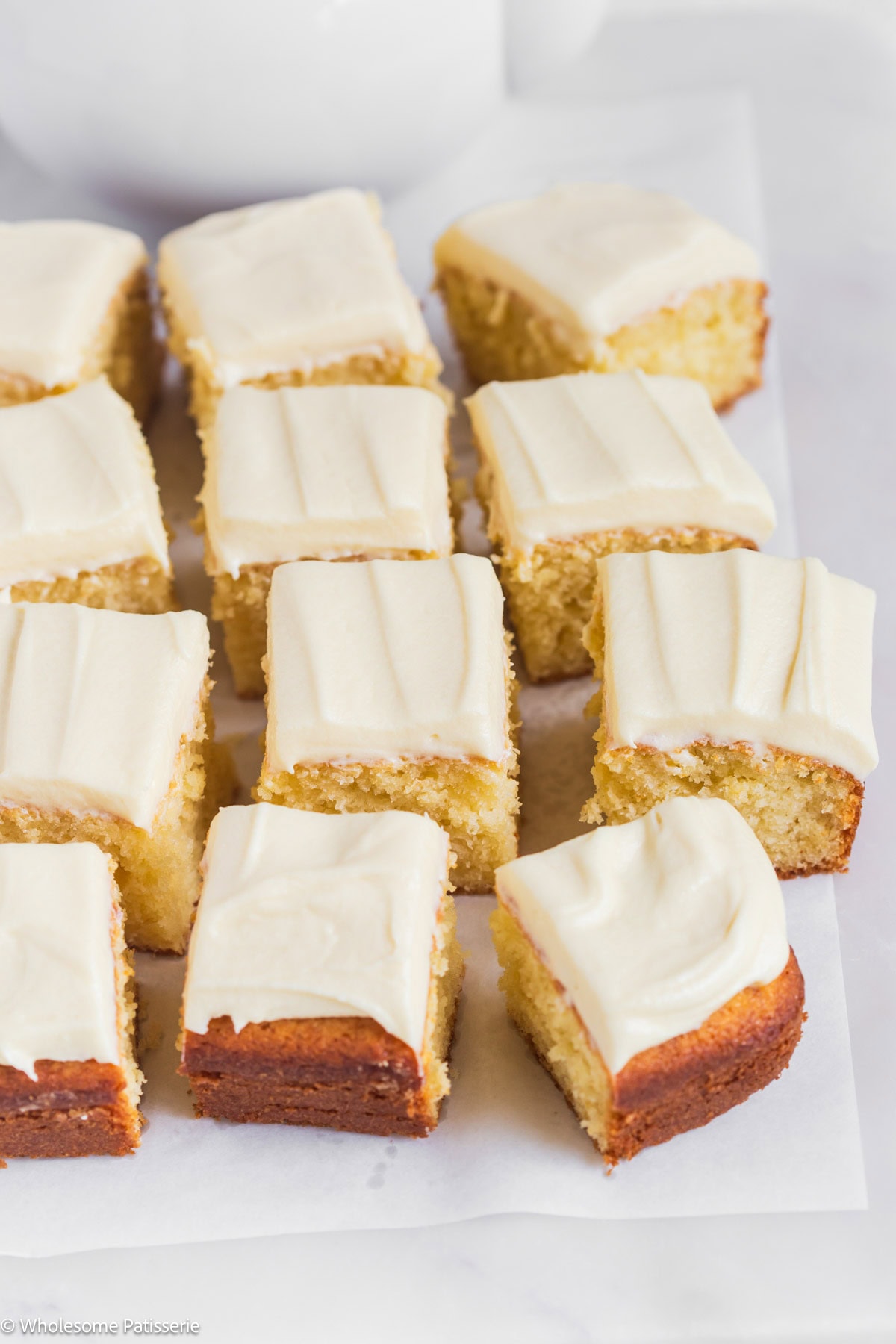
There’s nothing added to compensate for the missing vanilla. Instead, it’s a carefully tested cake designed to stand on its own, confidently and flavour-forward, without vanilla extract. If you’ve ever wondered whether vanilla extract is truly essential, this cake answers that question clearly.

When You Skip the Vanilla on Purpose.
I developed this cake to prove that vanilla extract isn’t essential for a truly delicious vanilla-style cake. By focusing on balance rather than substitutions, this recipe lets the natural flavour of the cake shine, with just enough salt and a tangy cream cheese frosting to make every bite feel complete. Sam x
No extract needed – The cake’s flavour comes from butter, eggs, milk, and salt.
Soft, classic crumb – A butter–oil base and a touch of cornstarch create a tender, reliable texture.
Cream cheese contrast – The frosting adds sharpness and depth, enhancing the cake in a way buttercream can’t.
Cake without vanilla extract video
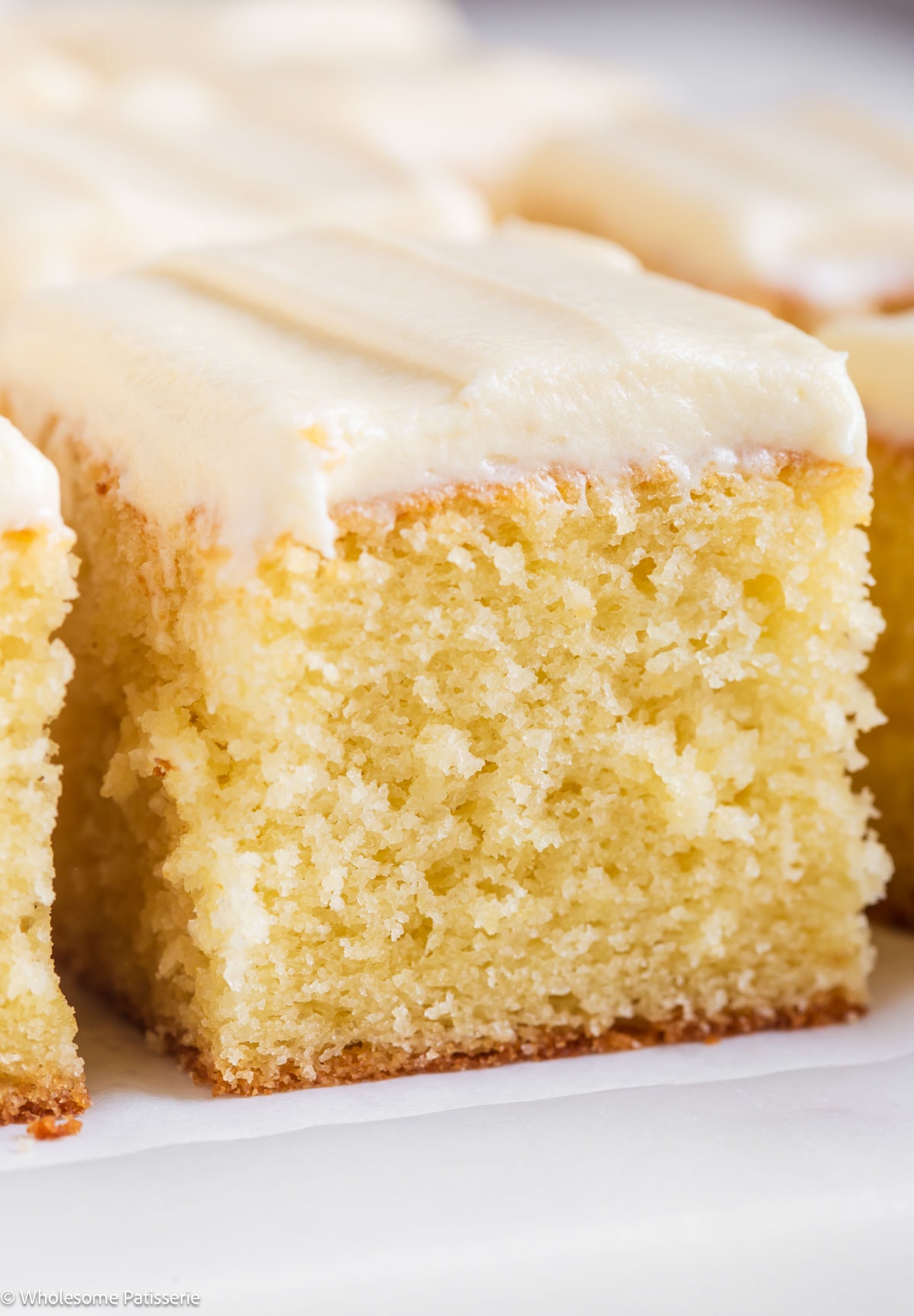
Why this recipe works
This vanilla-style cake is intentionally designed to taste complete and balanced without vanilla extract or essence:
Salt-Forward Balance – A slightly higher salt level gently cuts through the sweetness, enhancing the natural flavour of the cake rather than masking it with added vanilla.
Built-In Depth (No Vanilla Substitutes) – Instead of replacing vanilla with another flavour, the recipe relies on structure, contrast, and restraint, allowing butter, eggs, and milk to shine naturally.
Cream Cheese Finish – Tangy cream cheese frosting adds sharpness and complexity, giving the cake depth and contrast that makes each bite feel intentional, not missing anything.
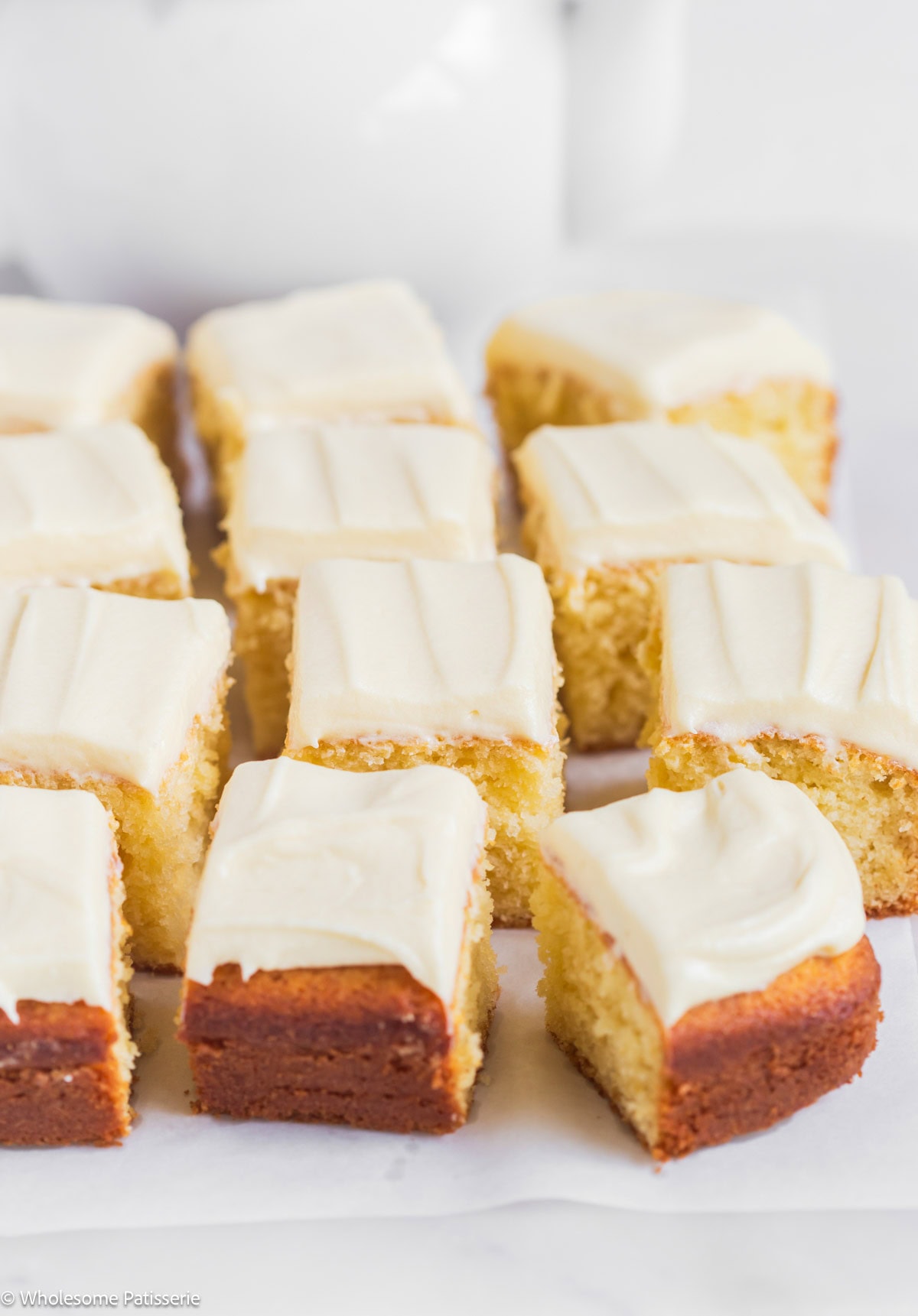
Ingredients you’ll need
All-Purpose Flour
Provides structure while remaining soft and tender when combined with cornstarch.
Cornstarch
Softens the flour’s protein to create a finer, more delicate crumb without needing cake flour.
Baking Powder
Ensures an even rise and light, fluffy texture.
Salt
Slightly increased to enhance flavour and gently cut through sweetness, especially important in a cake without vanilla extract.
Unsalted Butter
Adds richness and classic cake flavour. Using unsalted butter allows precise control over salt levels.
Granulated Sugar
Sweetens the cake while contributing to tenderness and moisture.
Eggs
Provide structure, richness, and stability.
Whole Milk
Adds moisture and helps create a soft, cohesive crumb.
Oil (Neutral or Olive Oil)
Keeps the cake moist and tender long after baking.s
Full-Fat Cream Cheese
Adds tang and depth, balancing the sweetness of the cake perfectly.
Unsalted Butter
Creates a smooth, spreadable frosting with richness.
Powdered Sugar
Sweetens while maintaining a soft, creamy texture.
Milk
Adjusts consistency for easy spreading.
Salt
Sharpens flavour and prevents the frosting from tasting overly sweet.
How to make vanilla cake without vanilla
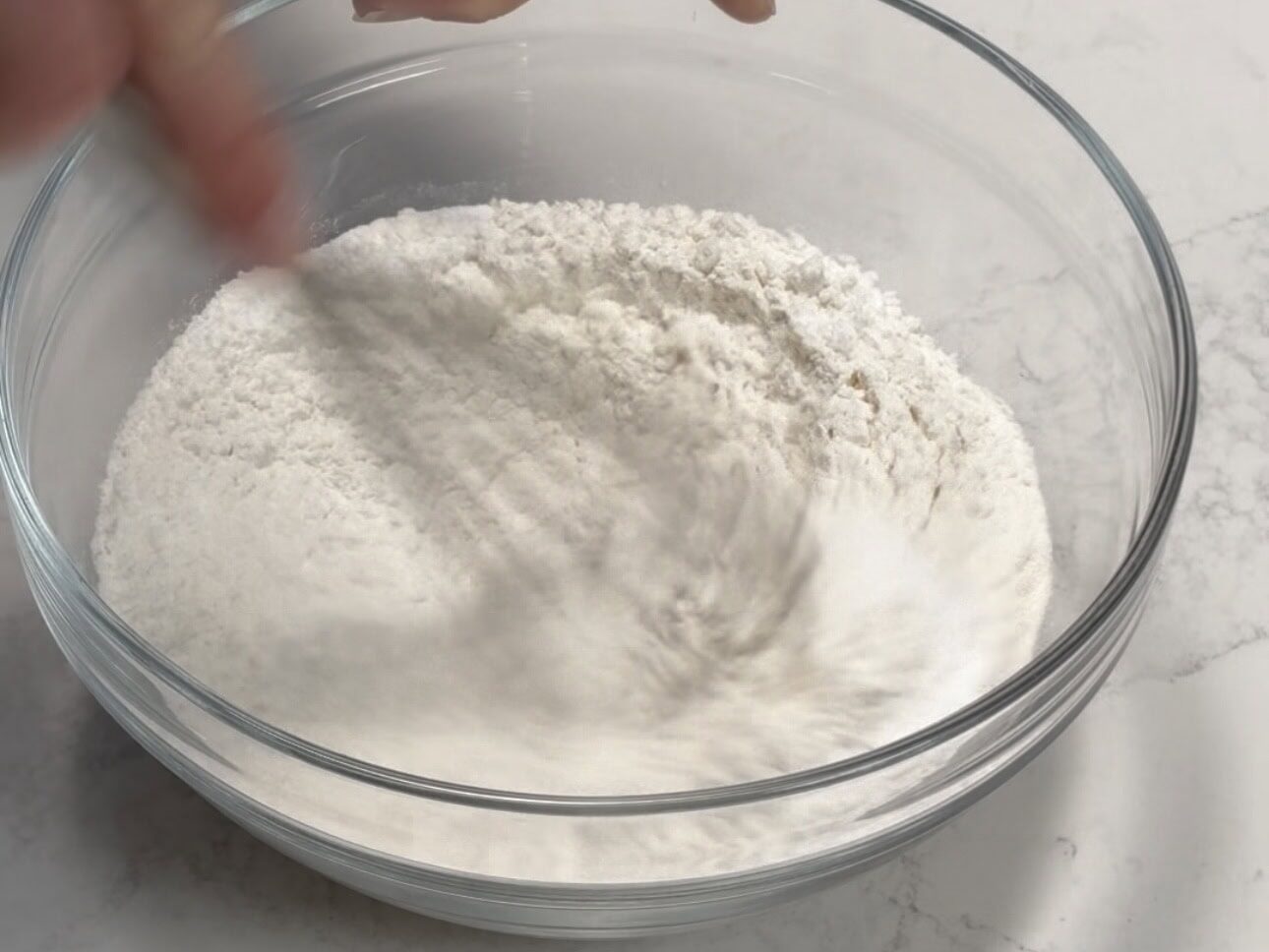
Step 1: In a medium-sized mixing bowl, whisk together the flour, cornstarch and baking powder. Add the salt and whisk until well combined. Set aside.
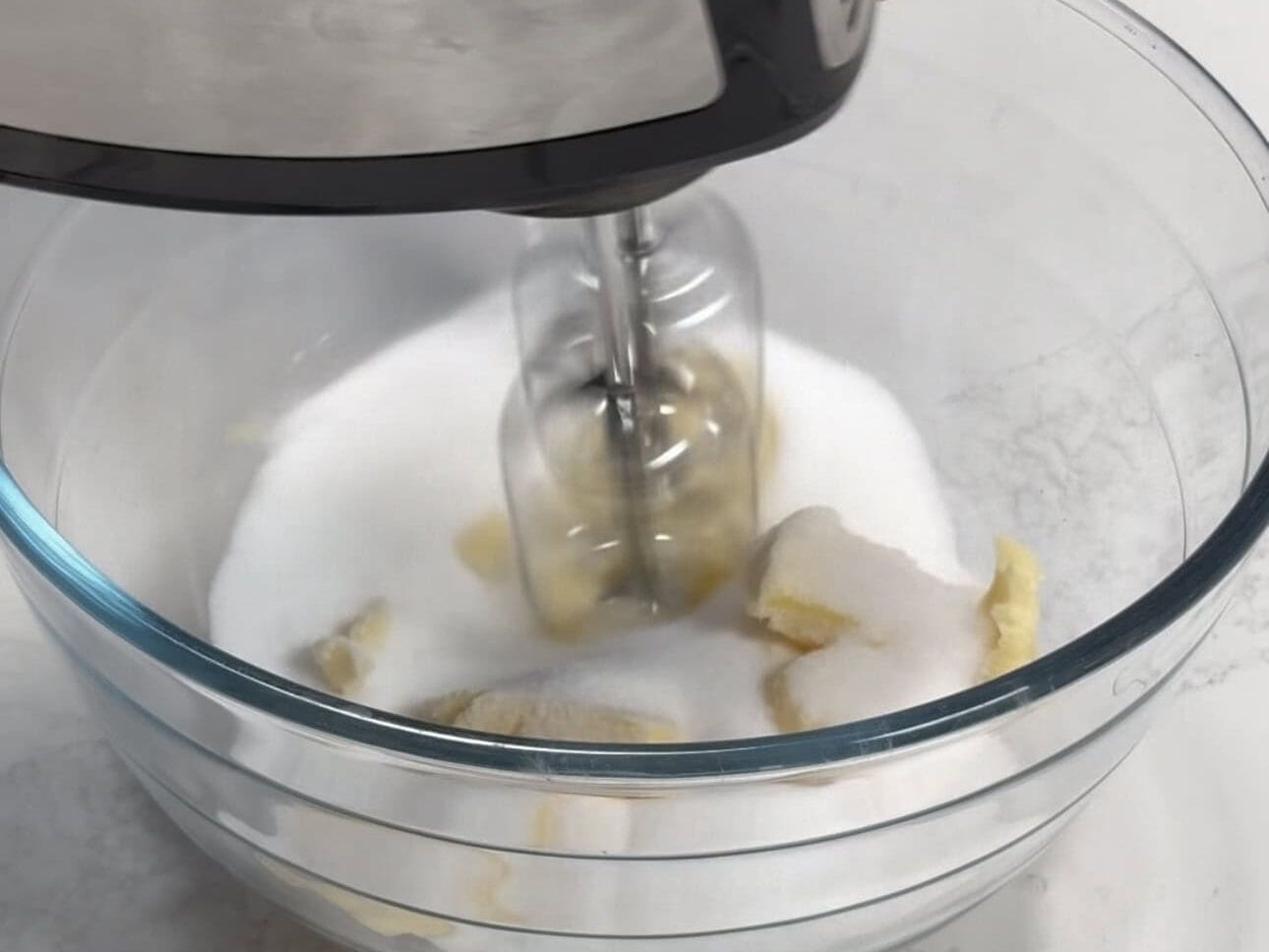
Step 2: Beat softened butter and sugar for 2 minutes until pale and creamy, scraping the bowl as needed.
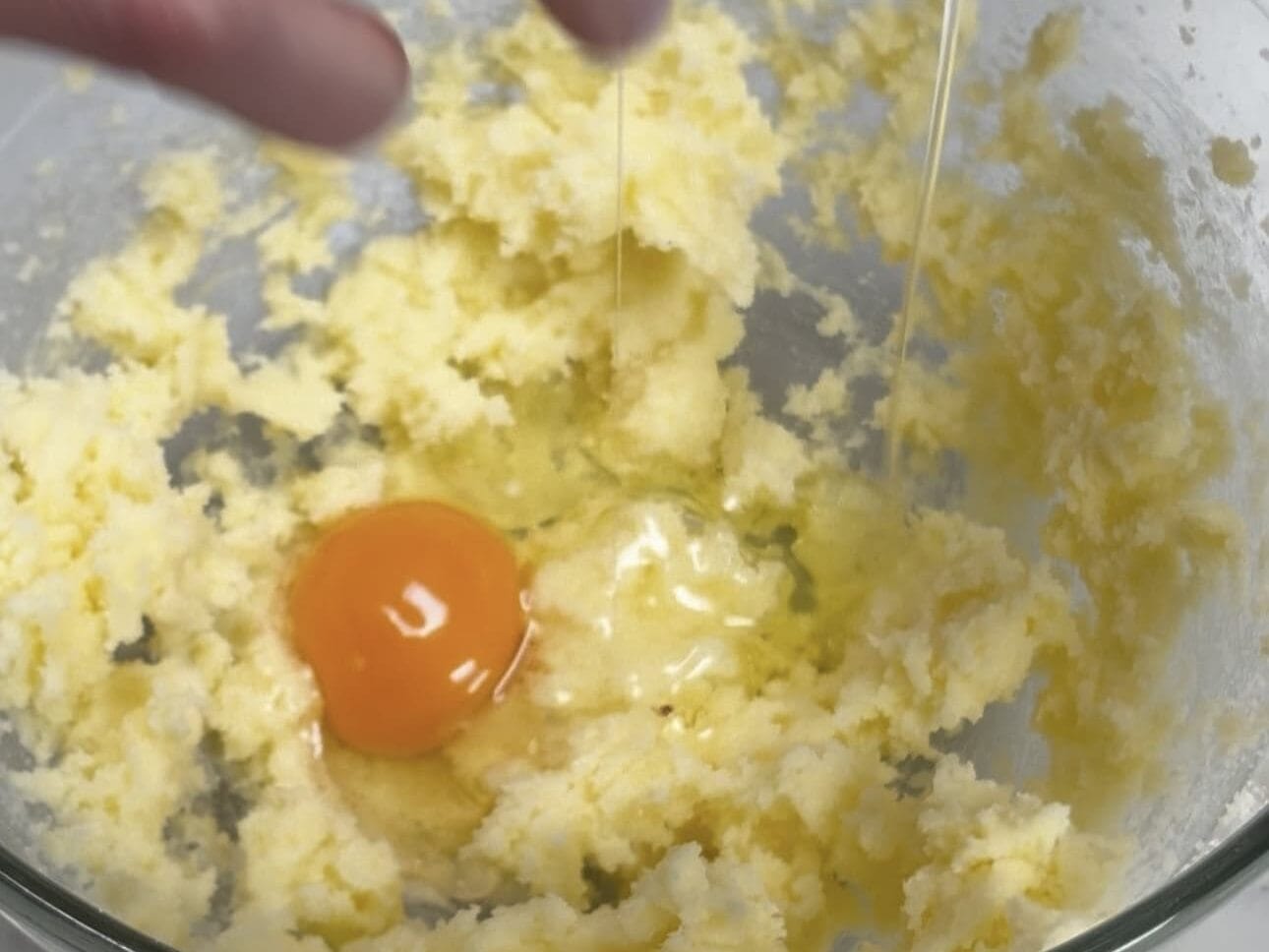
Step 3: Add eggs one at a time, beating for 15 seconds after each addition.

Step 4: Pour in milk and oil, beating on low-medium speed for 15 seconds until well combined.
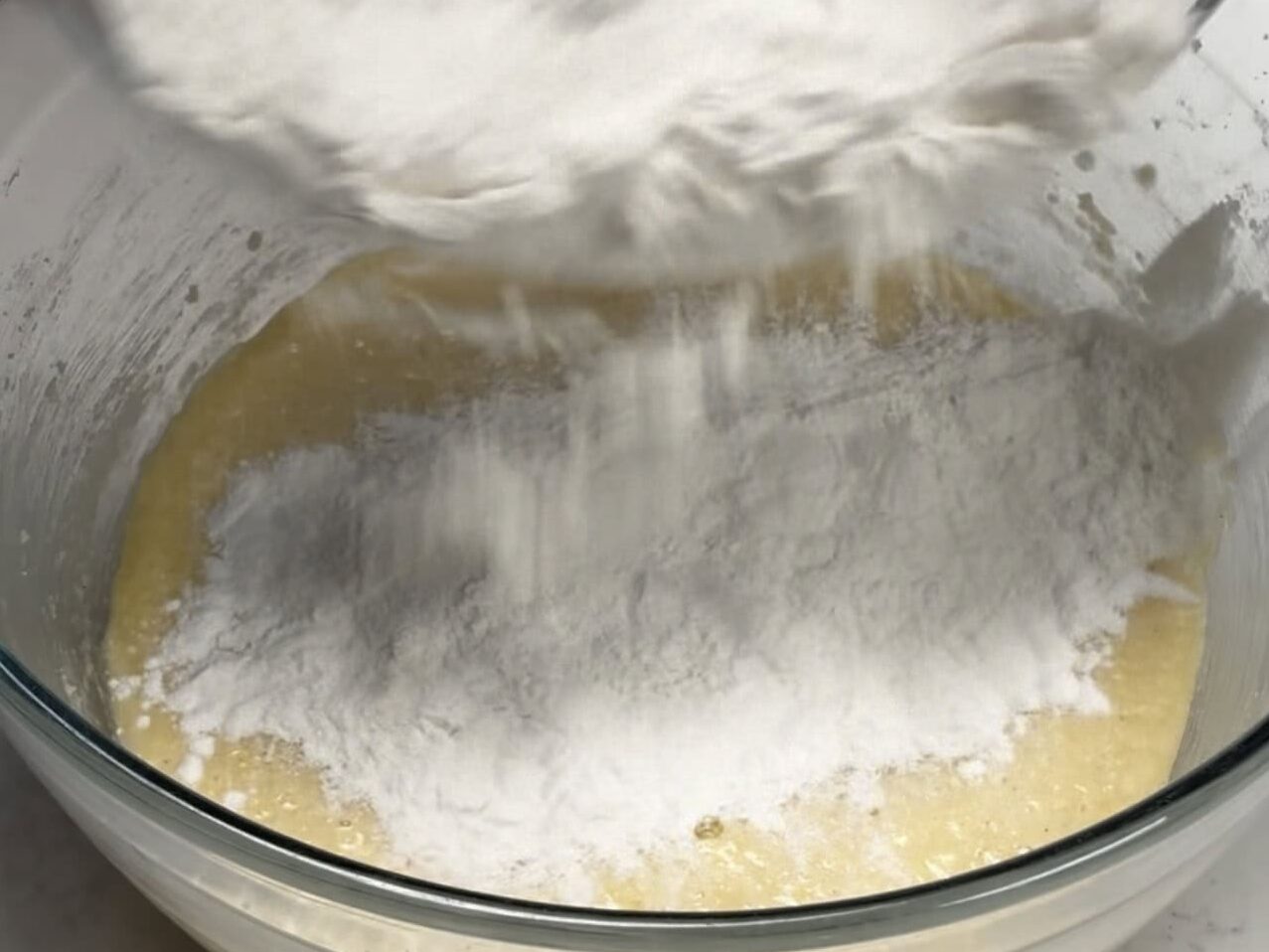
Step 5: Gently beat in half the flour mixture, then the rest, mixing just until combined. Avoid over-beating to keep the cake tender.
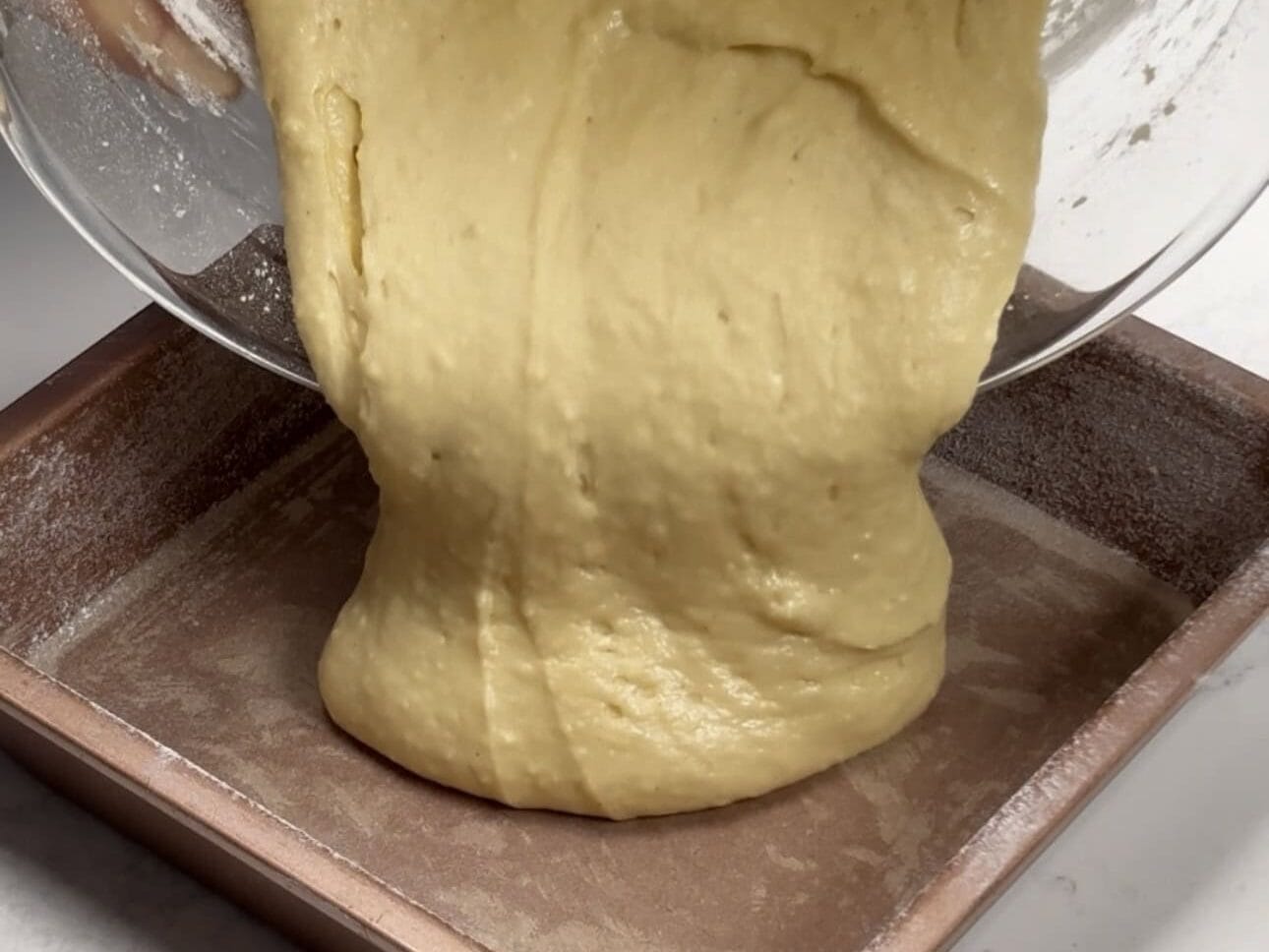
Step 6: Pour batter into the prepared pan, smooth the top, and bake 30–33 minutes until a skewer comes out clean. Cool completely before frosting.
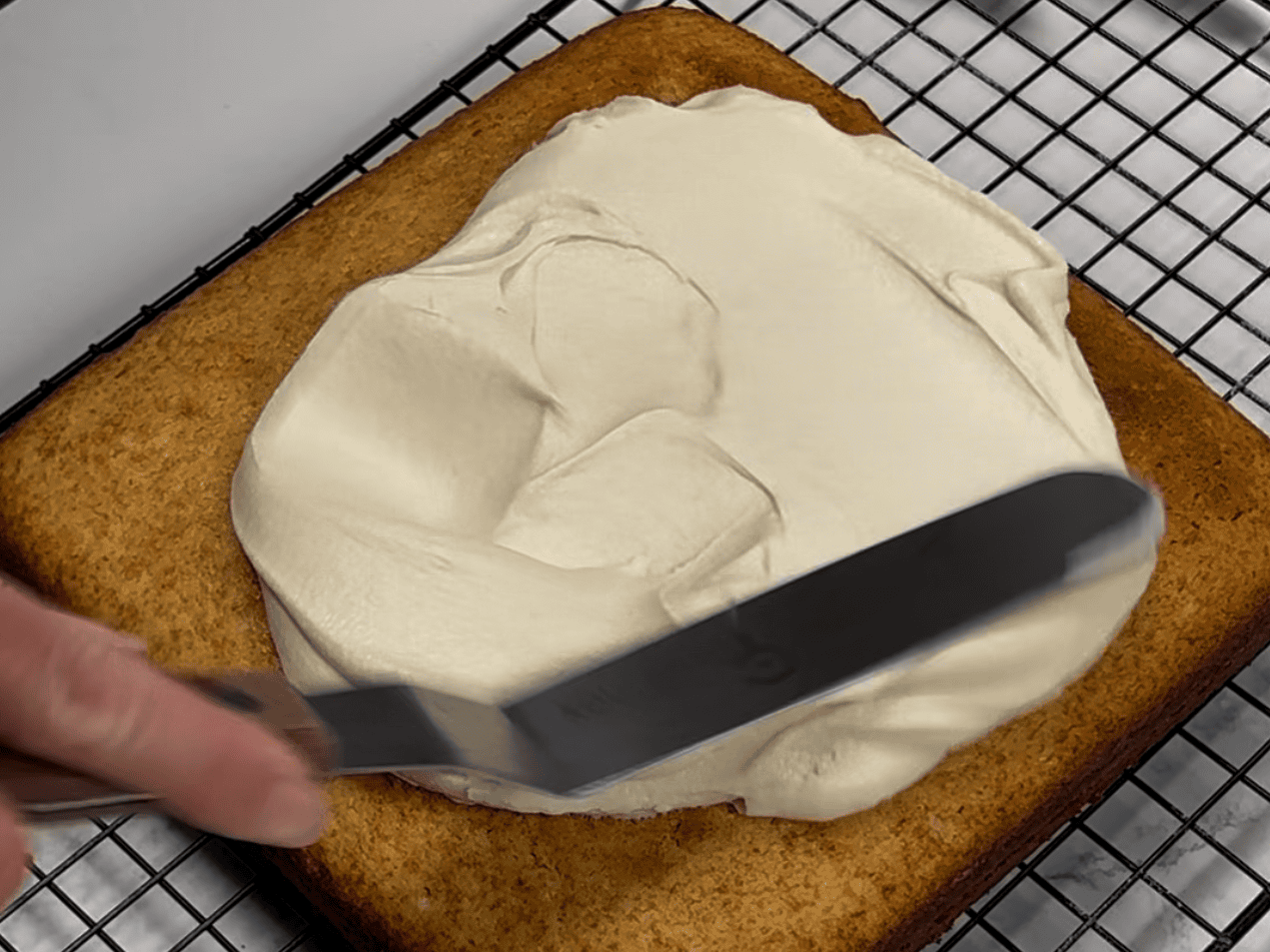
Step 7: Beat cream cheese and butter until creamy, then add sugar, milk, and salt. Mix until smooth and thick. Spread frosting evenly over the cooled cake.
Tips for the best soft, balanced cake
Cream ingredients properly – Beat butter and sugar until pale and fluffy. This incorporates air and helps create a tender, light crumb.
Don’t overmix once flour is added – Fold in the dry ingredients gently. Overmixing develops gluten and can make the cake dense or tough.
Mind your baking time – Bake until a skewer comes out clean but the cake still feels soft in the center. Slight underbaking keeps the crumb moist.
Balance sweetness with salt – The slightly higher salt level in this recipe enhances natural flavours and prevents the cake from tasting flat.
How to store cake
Room Temperature: Store in an airtight container for up to 3 days.
Refrigeration: Keeps well for up to 5 days – 1 week.
Freezing: Freeze unfrosted or frosted cake for up to 3 months. Thaw overnight in the fridge before serving.

Vanilla Cake without Vanilla Extract
Ingredients
Method
- Preheat Oven & Grease Pan: Preheat the oven to 356ºF (180ºC) fan-forced. Grease an 8×8 inch square baking pan with butter and line with parchment paper. Note: For non-stick pans, line the base with parchment paper and grease just the sides with butter and dust with flour for smooth cake sides. Set aside.
- Mix Dry Ingredients: In a medium-sized mixing bowl, sift together the flour, cornstarch and baking powder. Add the salt and whisk until well combined. Set aside.
- Cream: In a separate large mixing bowl, using either electric hand beaters or a stand mixer with the paddle attached, add softened butter and sugar to the bowl. Beat for 2 minutes until pale and creamy, scraping down the sides as needed.
- Add Eggs: Add eggs one at a time, beating for 10 seconds after each addition, and scrape down the sides.
- Add Liquids: Pour in milk and oil, beating on low-medium speed for 15 seconds until well combined.
- Combine with Dry Ingredients: Add half of the dry flour mixture and beat until just combined, leaving some flour visible and not mixed in. Add the remaining flour. Beat on low speed until just incorporated, ensuring not to over-beat, just until the flour has combined then turn off the beater. If some excess flour is still visible around the sides of the bowl, gently fold it in with a spatula. Over-beating can make the cake tough and dense after baking.
- Transfer Batter: Pour the batter into the prepared pan and smooth the top with a spatula or spoon.
- Bake: Bake for 30—33 minutes, or until a skewer inserted into the center comes out clean, not wet batter.
- Cool: Allow the cake to cool in the pan for 15 minutes, then carefully transfer it to a wire rack to cool completely before frosting.
- Sift Sugar: In a small mixing bowl, sift the powdered sugar and set aside.
- Cream Butter and Cream Cheese: In a large mixing bowl using electric hand beaters or a stand mixer with the paddle or whisk attachment, beat the softened cream cheese and butter on medium speed for 1 minute until pale and creamy, scraping down the sides as needed.
- Add Sugar: Add half of the sifted sugar, beat on medium speed until just combined. Add the remaining sugar and beat until just combined, about 10-15 seconds.
- Add Liquids: Pour in the milk and add the salt. Beat on medium-high speed for 30 seconds until smooth and thick. If the frosting is too dry and thick, add one more tablespoon of milk and beat until well combined.
- Frost Cake: Once the cake is completely cooled, spread the frosting evenly over the top and the sides of the cake. If it’s warm/humid, place the cake in the fridge to set for 20-30 minutes. Enjoy!